
Review by Chris Rennirt
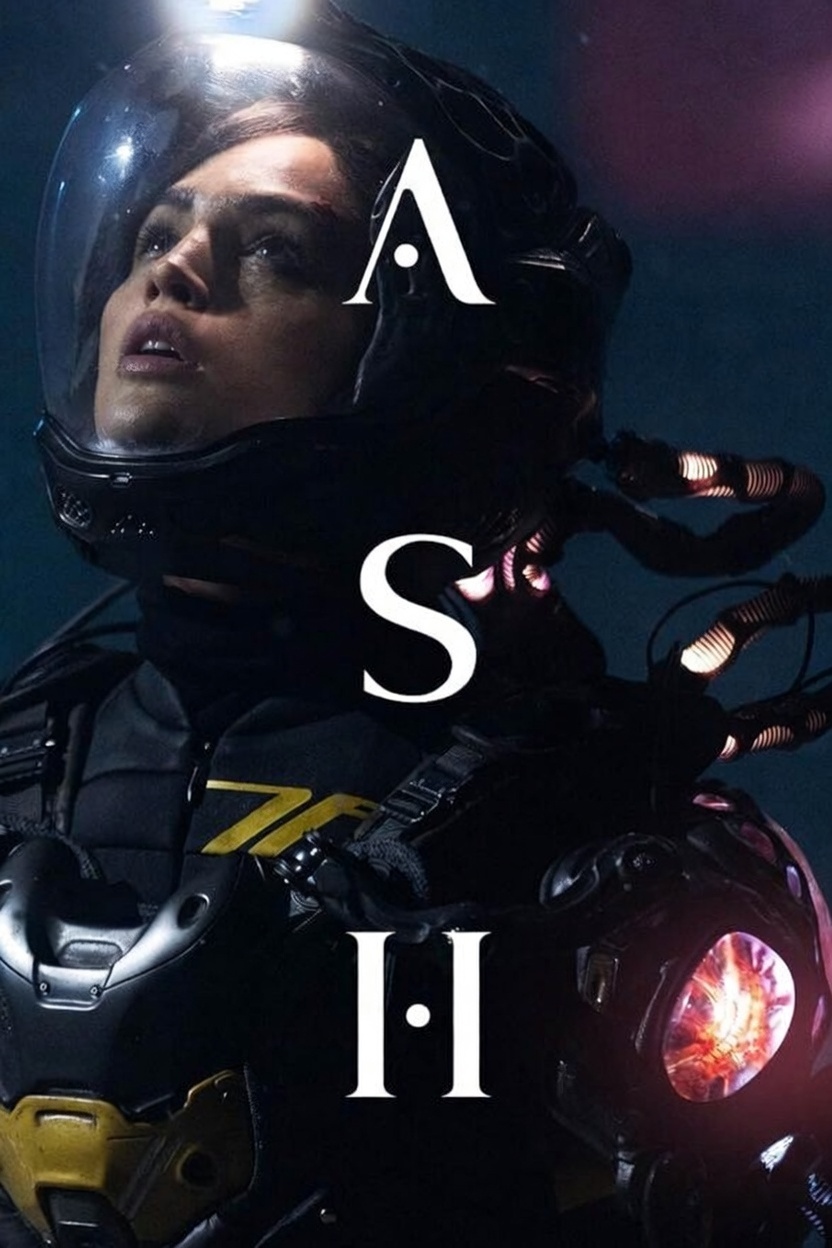
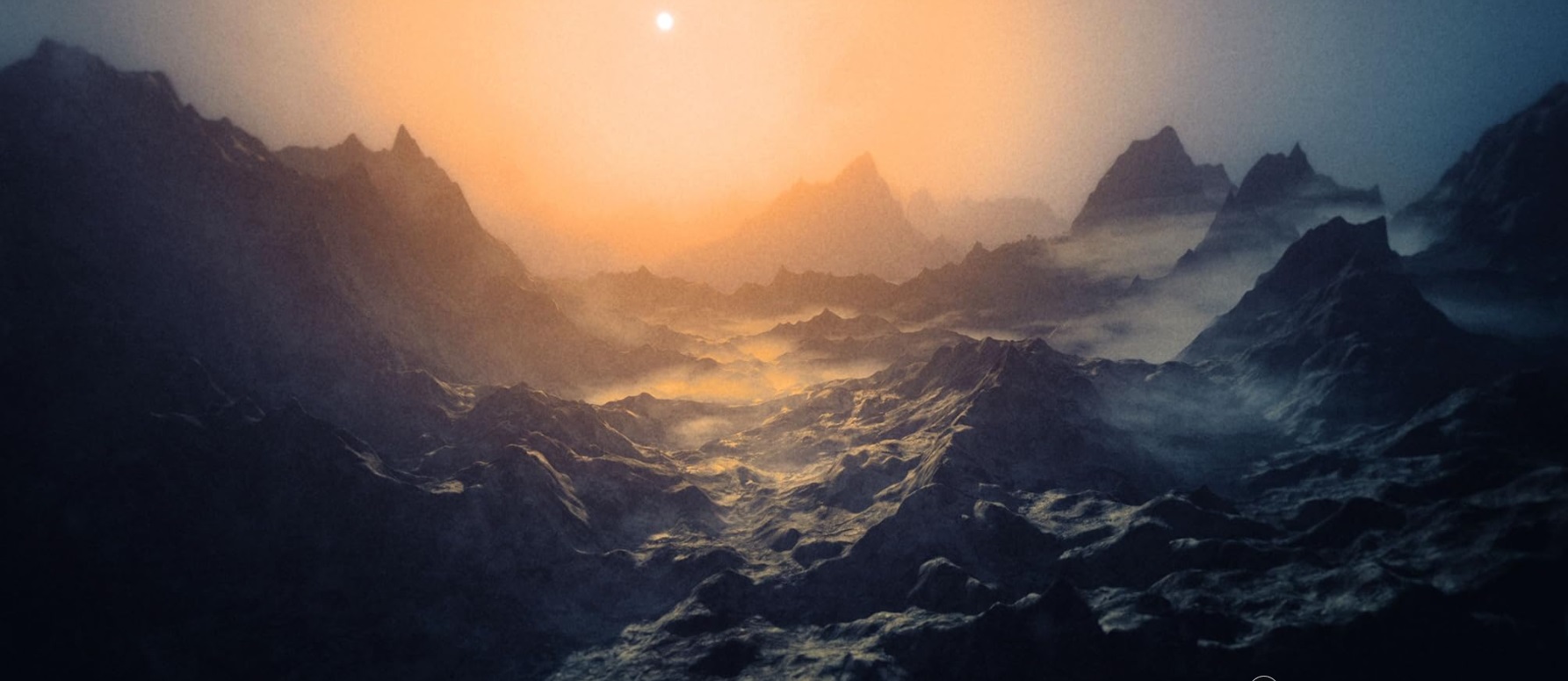
ASH is set at an unknown time in the future, when Earth has been nearly destroyed by pollution, overuse of resources, overpopulation, war, etc. (everything we’re already doing on Earth today). Six astronauts–the crew of one of seven different expeditions–has found a possibly habitable exoplanet, after all other expeditions have failed. The planet, designated K.O.I-442 (Kepler-442b) is a rocky, chaotic, volcanic planet, nicknamed “Ash” by the astronauts, because ash is constantly raining down from the sky.
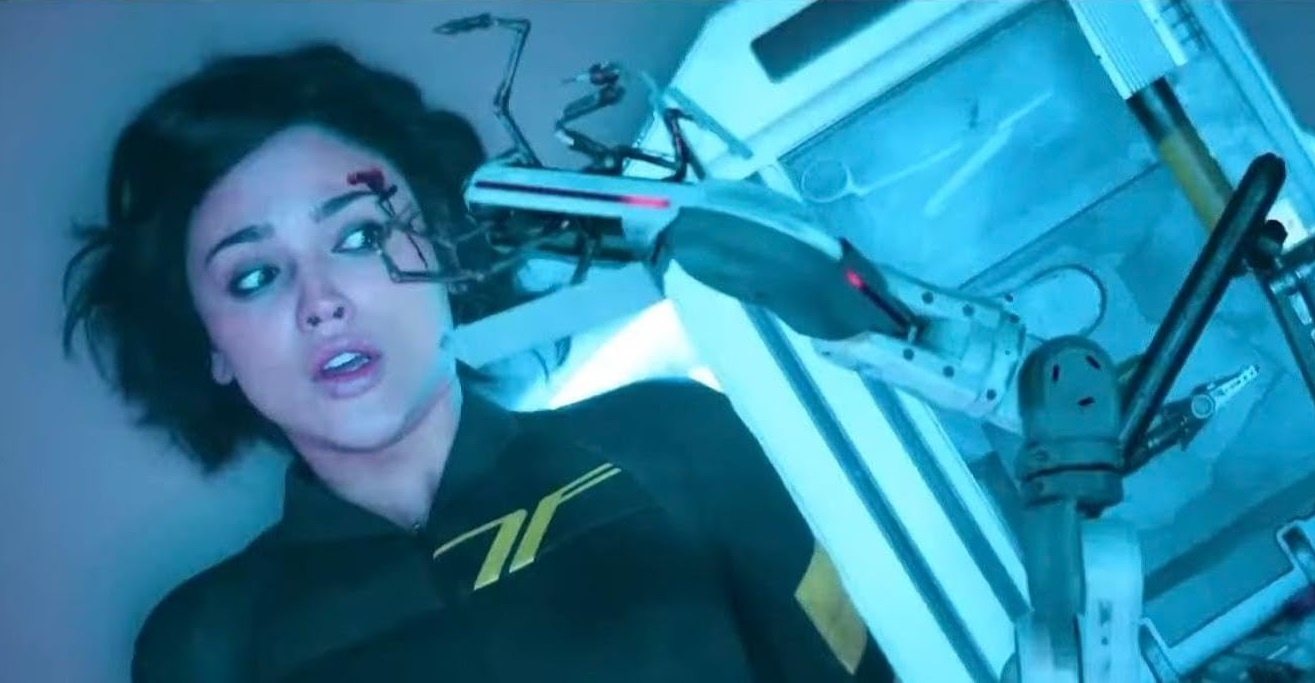
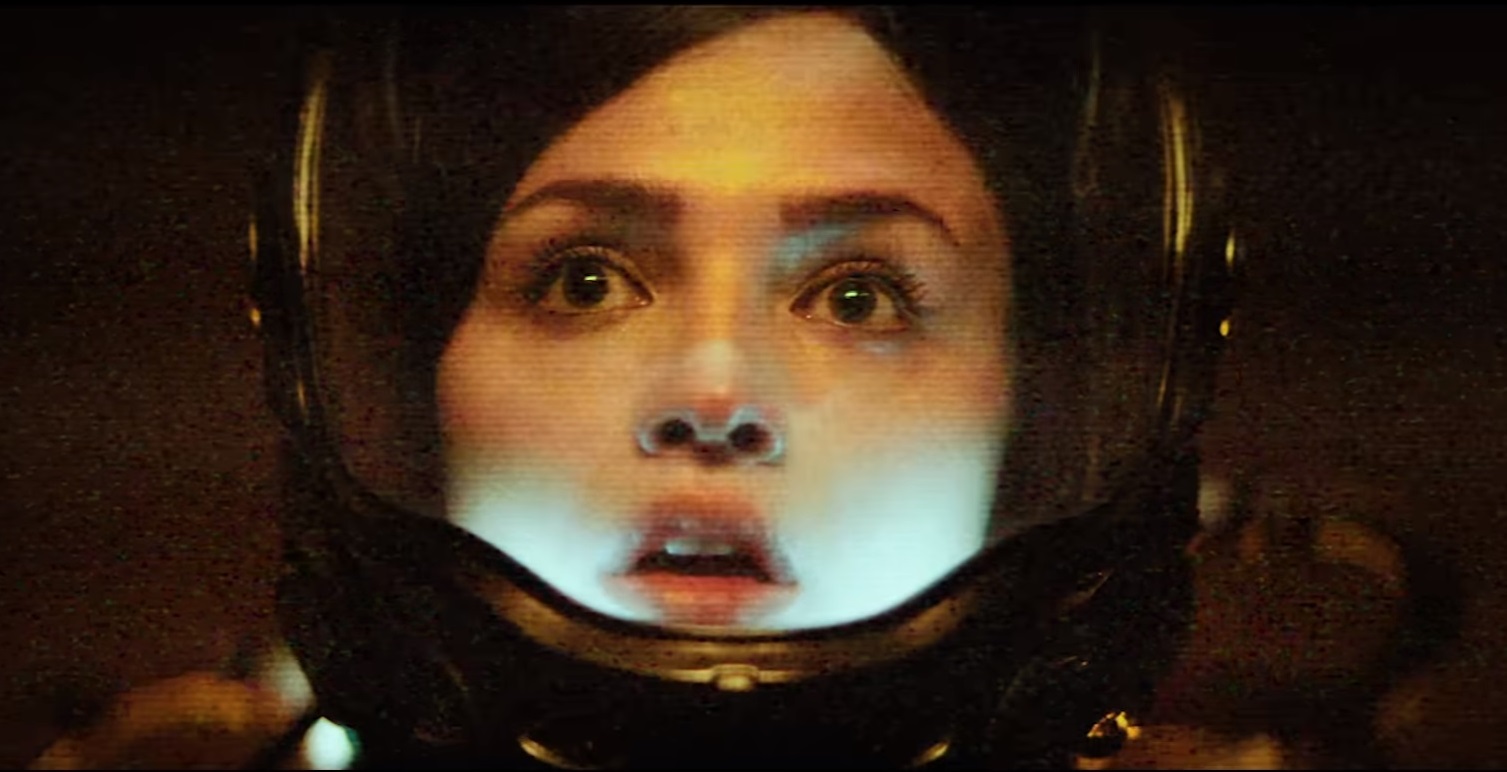
The movie begins with Riya Ortiz (Eiza González) waking up confused, with no memory, not knowing who she is, where she is, or how she got there. Around her are multiple dead people, violently murdered, bloody, and mutilated. Through flashbacks of intermittent memory, Riya eventually discovers that she’s in a research outpost on K.O.I-442…and she’s not alone. Even with danger everywhere, worsening by the minute, and a window of time for escape narrowing, Riya is determined to solve the murder mystery on Ash. And thus begins a nail-biting, sci-fi/horror, psychological-thriller mystery, unlike anything you’ve seen before…mostly.

Eiza González (as Riya Ortiz) in ASH
Before I go further, I must say more (much more, actually) about the beautiful, amazingly talented Eiza González, who plays the main character Riya. Without González, Ash would not have been a fraction of the success it is. While Aaron Paul plays the crucial character Brion mostly as a sounding board or vehicle of interaction for Riya, González is the planet-sized chunk of the movie’s solar system. Without her–or at least a performance on par with what she delivers–Ash would have been as unseen as the “dark flight” of a meteor, falling without even a glow. With so much focus on Riya, her face, her fear, her anger, her wonder, and all else that so well develops her character, González is the movie’s show-stealing star, shining from beginning to end. In her bluray interview, González talks about about how she identified so strongly with Riya and worked hard to really be her, to be one and the same. And certainly she is!

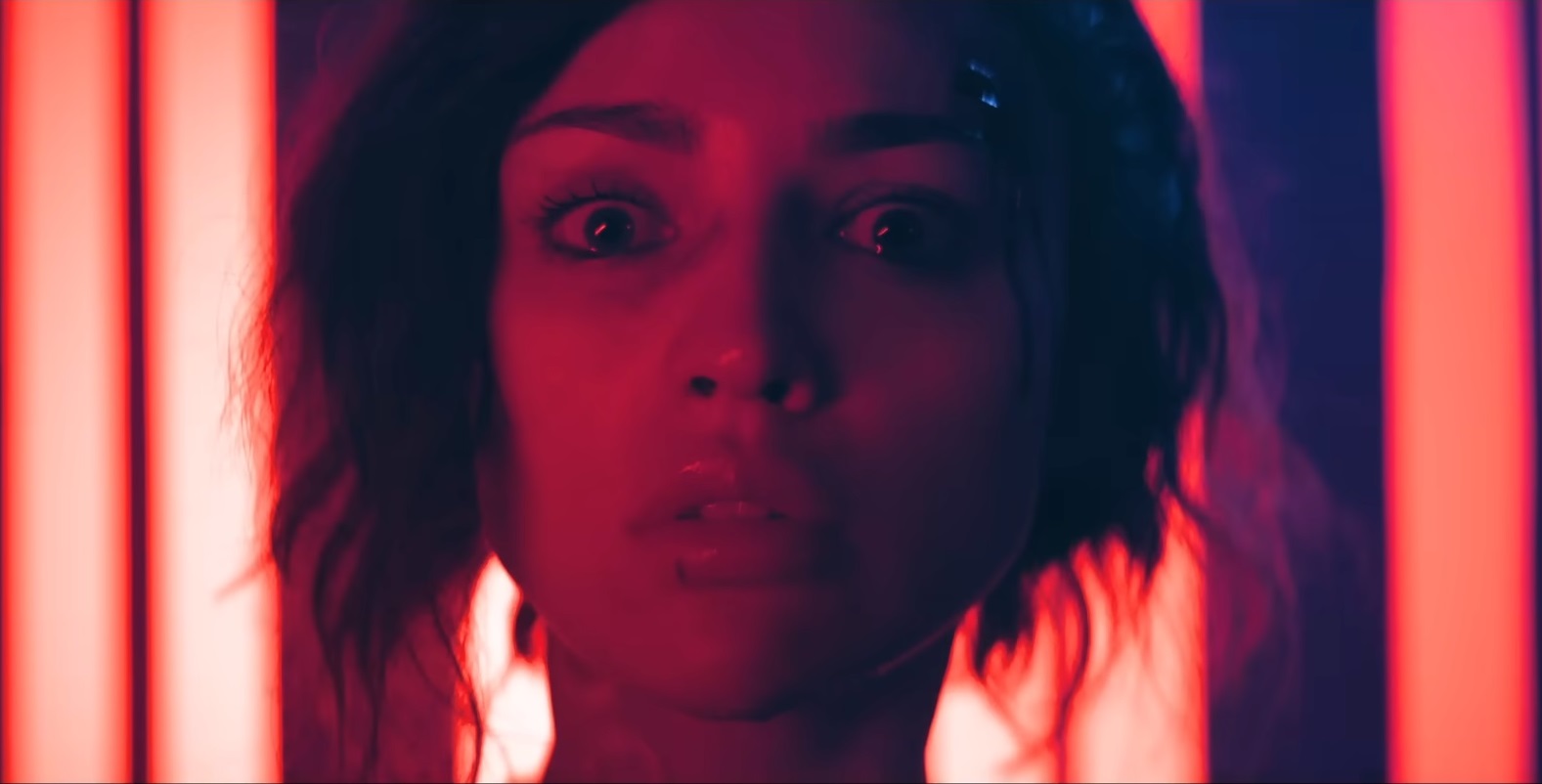
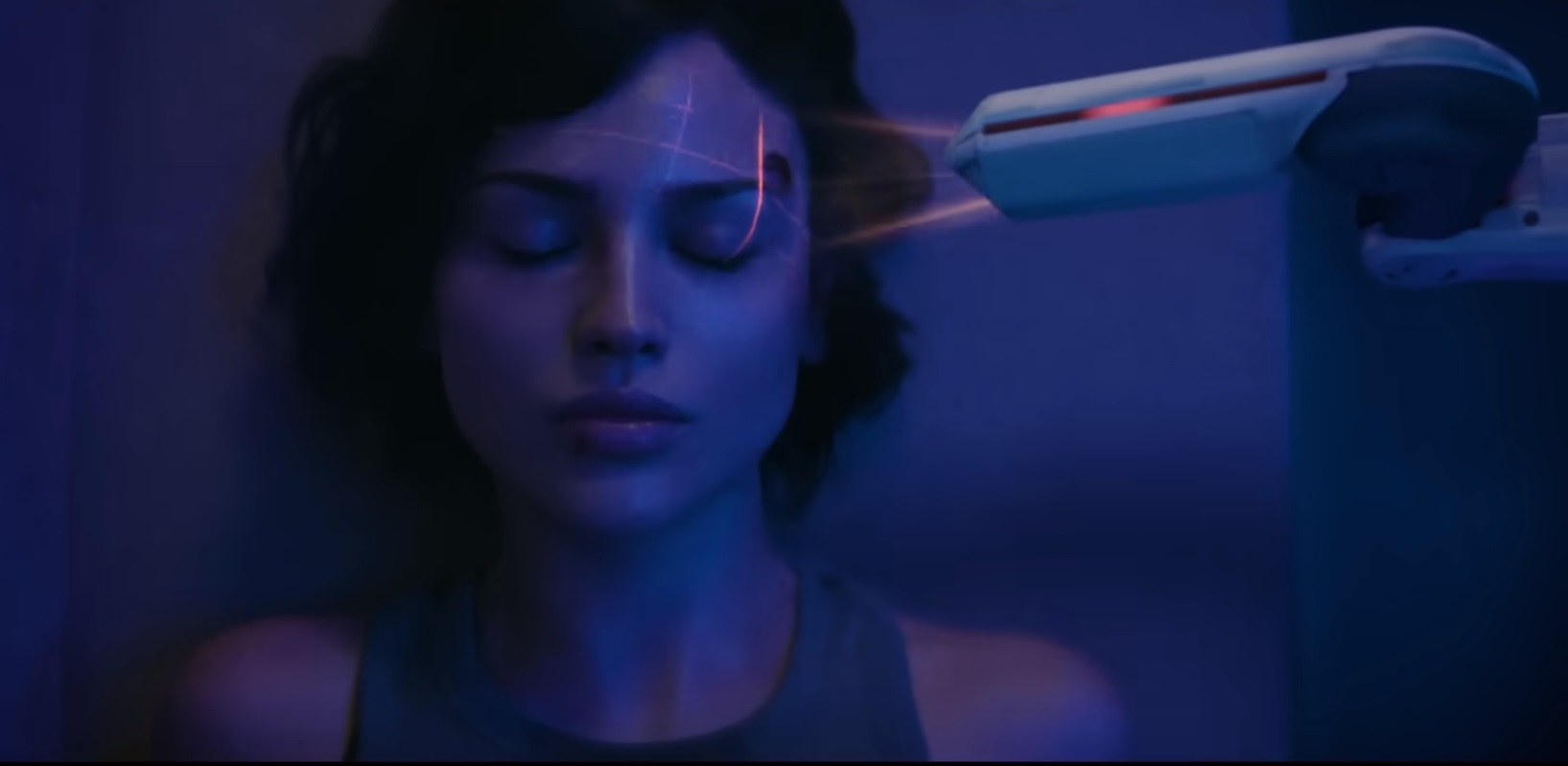
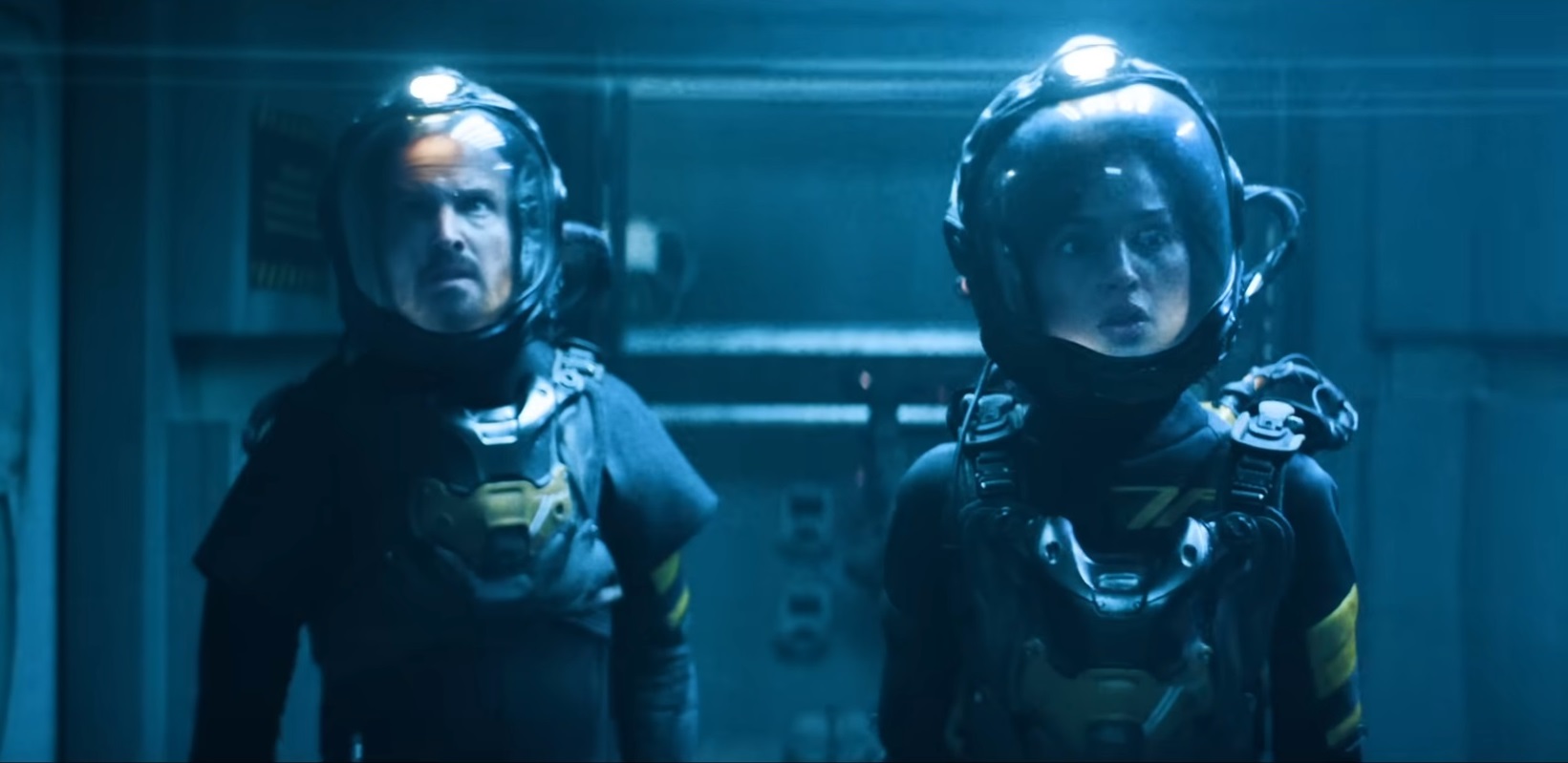
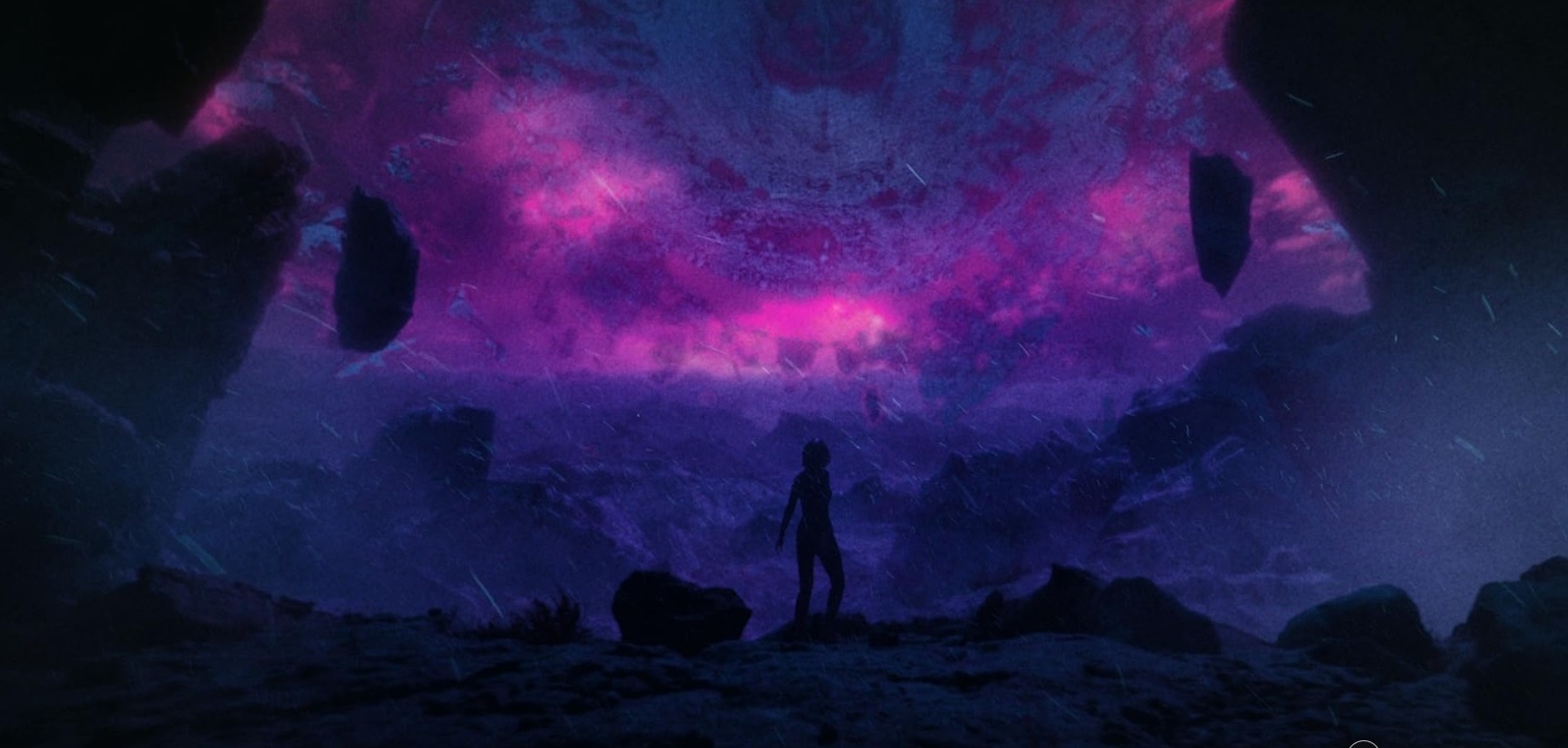
Another unique, impossible-to-miss element in Ash is a pretentious palate of muted, washed-out psychedelic hues–blue, green, red, magenta, purple, and violet–of lighting, as well as colors of sets and props. Lighting is overall dark, and scenes appear intentionally grainy throughout. Director Steven Ellison (aka Flying Lotus) mentions, in his interview on the movie’s bluray, how colors are meant to give the research outpost a “stylized” look and a personality of its own, making it like “a character” in the film. Actress Eiza González, in her interview, talks about how (as part of the challenge) she needed to be in specific areas of the colored lighting at specific times, in order to realize the director’s aesthetic vision. This all further demonstrates Ellison’s personalized, artistic contributions to Ash–contributions that set it apart most uniquely from other films of its type. (For more, I highly recommend watching the interviews included on the movie’s bluray.)

Aaron Paul (as Brion)
With Ellison being a musician and composer, as you can imagine, Ash has a score that stands out as, perhaps, reason enough to watch the movie on its own. (Fans of Ellison’s music and compositions will certainly appreciate this!) Captivating and mesmerizing describes the scene-perfect sound design throughout. At times, the music, as attention-grabbing and moody as it is, is like yet another nonhuman character (much like the research lab, with it’s personality of colors and lights). As Ellison explains, in his interview on the movie’s bluray, his use of horns were meant to emphasize the loneliness and isolation felt by Riya, making them a sort of musical conduit for her emotions.
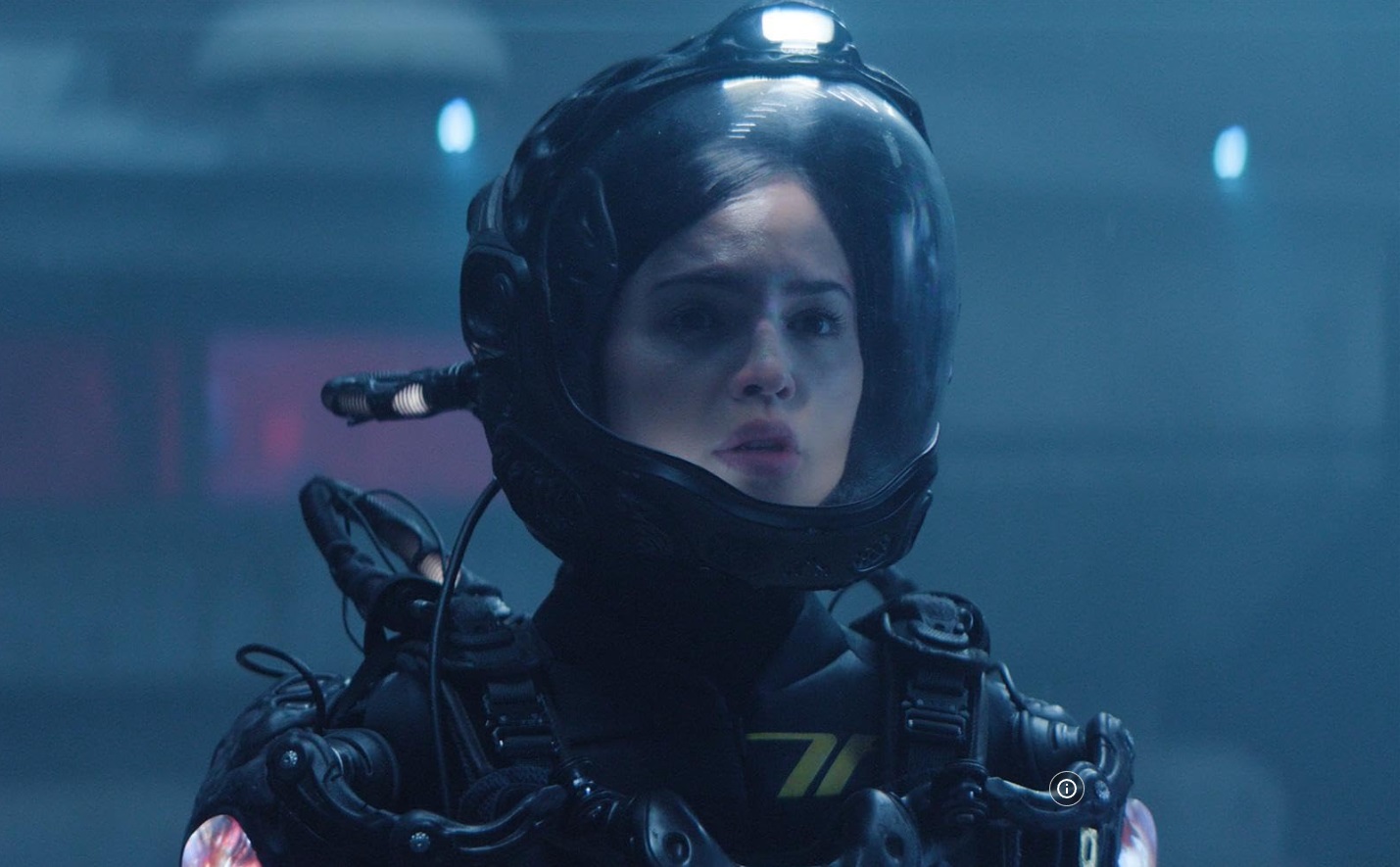
Believe it or not, after all the praise I’ve given Ash, the movie was a box-office flop. Released March 21, 2025, in the United States, it was projected to gross around $2 million, but only brought in $689,144 in its first three days. It grossed only $1.1 million worldwide, after a wide release in over 1,100 theaters. BUT, does a box-office flop necessarily make a movie a flop afterwards, on streaming platforms, with bluray sales, and elsewhere? Does it mean it gets a thumbs down, low-rocket rating at Space Jockey Reviews? While I don’t know about “elsewhere,” I do know about Space Jockey Reviews and what I think. I actually really liked Ash. I’ve watched it two times since I bought the bluray, and I enjoyed it just as much each time…maybe even more the second time. I may enjoy it even more a third time!
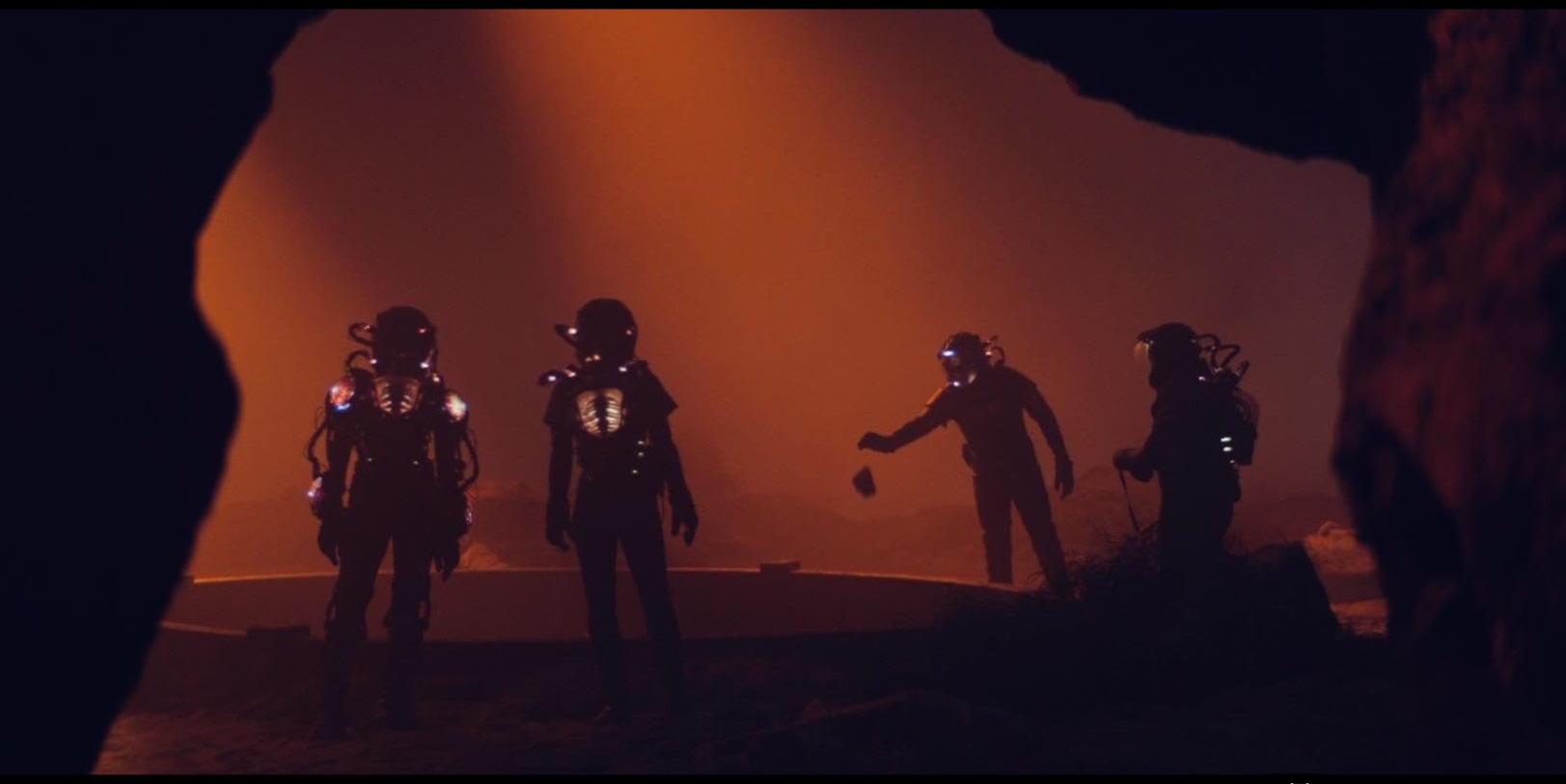
Why did I like Ash so much? I’m always a sucker for a sci-fi/horror movie set on another planet–the farther away the better–with lots of otherworldly atmosphere, danger, aliens, and paranoia. And Ash most certainly has a full payload, launching all of the above! “In space, no one can hear you scream,” they said of ALIEN (1979), my all-time favorite movie. And, just the same I could say of ASH (2025)–“On Ash, no one can hear you scream!” Beyond that, it’s compelling from the opening minutes, capturing interest, building ever-increasing mystery as it goes, never being predictable.
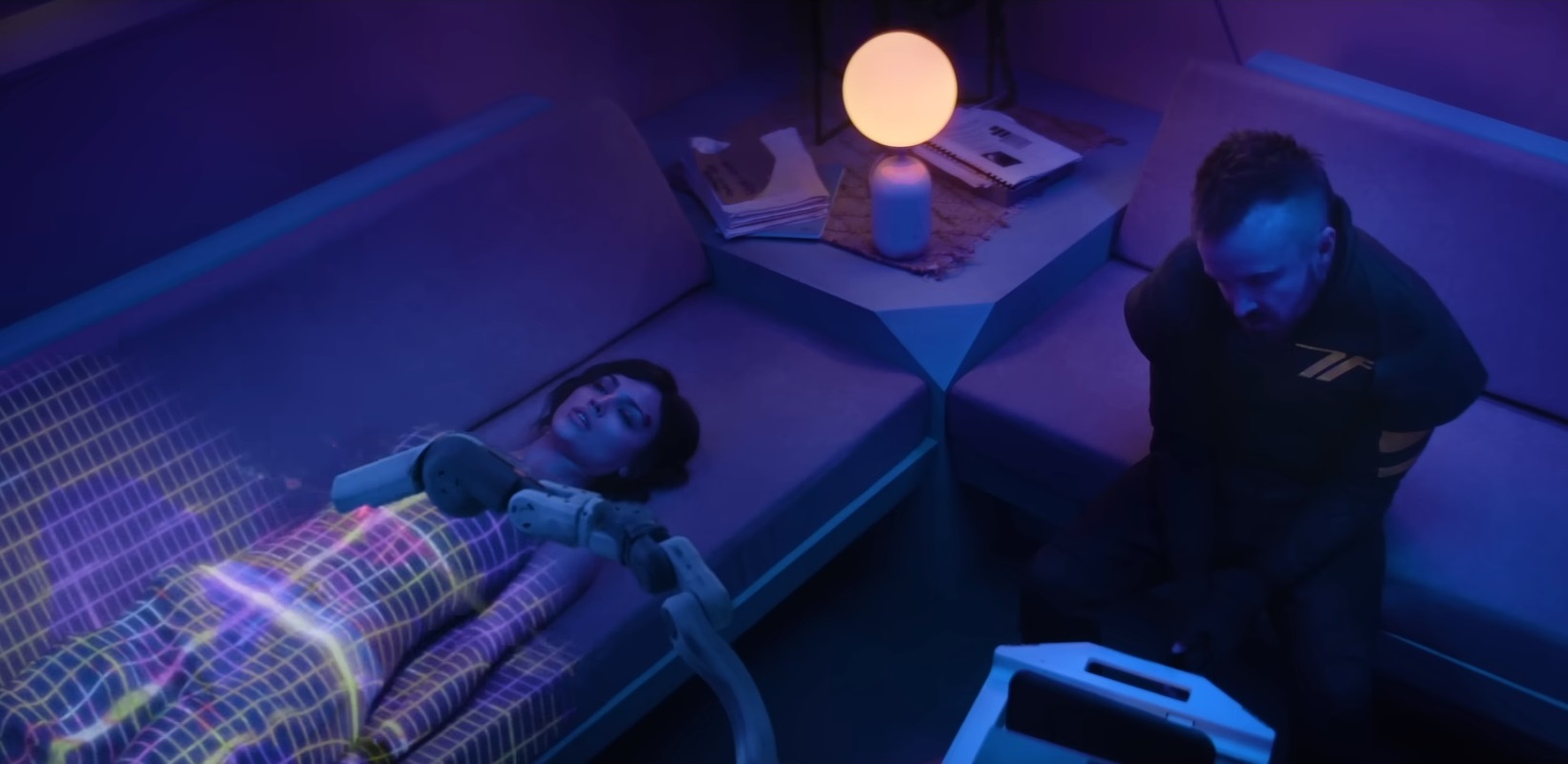
When I said Ash is “unlike anything you’ve seen before, mostly,” I meant that it’s not entirely unlike anything. One of the movie’s criticisms is that it’s derivative of other films in the genre. Ash will remind lover’s of the classics, for example, of my second most favorite film–John Carpenter’s The Thing. I won’t go into details about why, to avoid spoilers. I’ll just say that there is a paranoia-inducing element in the film, strongly reminiscent of that movie. But, even with that, Ash has more than enough originality overall to be its own Thing, with or without John Carpenter.
Ash is also derivative of the many other sci-fi films about astronauts who have left a human-destroyed Earth, in search of another habitable planet. But, this trope is also non-damaging to the movie, because of the process it takes telling the story. As in the way it avoids being too much like John Carpenter’s The Thing, having its own originality, so too does Ash with its story of Earthling explorers. Just as I enjoy rewatching ALIEN (1979), savoring repeated visits to the now familiar but dangerous, alien world in the depths of space, and distances of time, I also enjoy watching the story told again, in different ways. What’s better is, like ALIEN, ASH has atmosphere enough to break a barometer–one of the most important elements on the rubric for the best in sci-fi/horror.
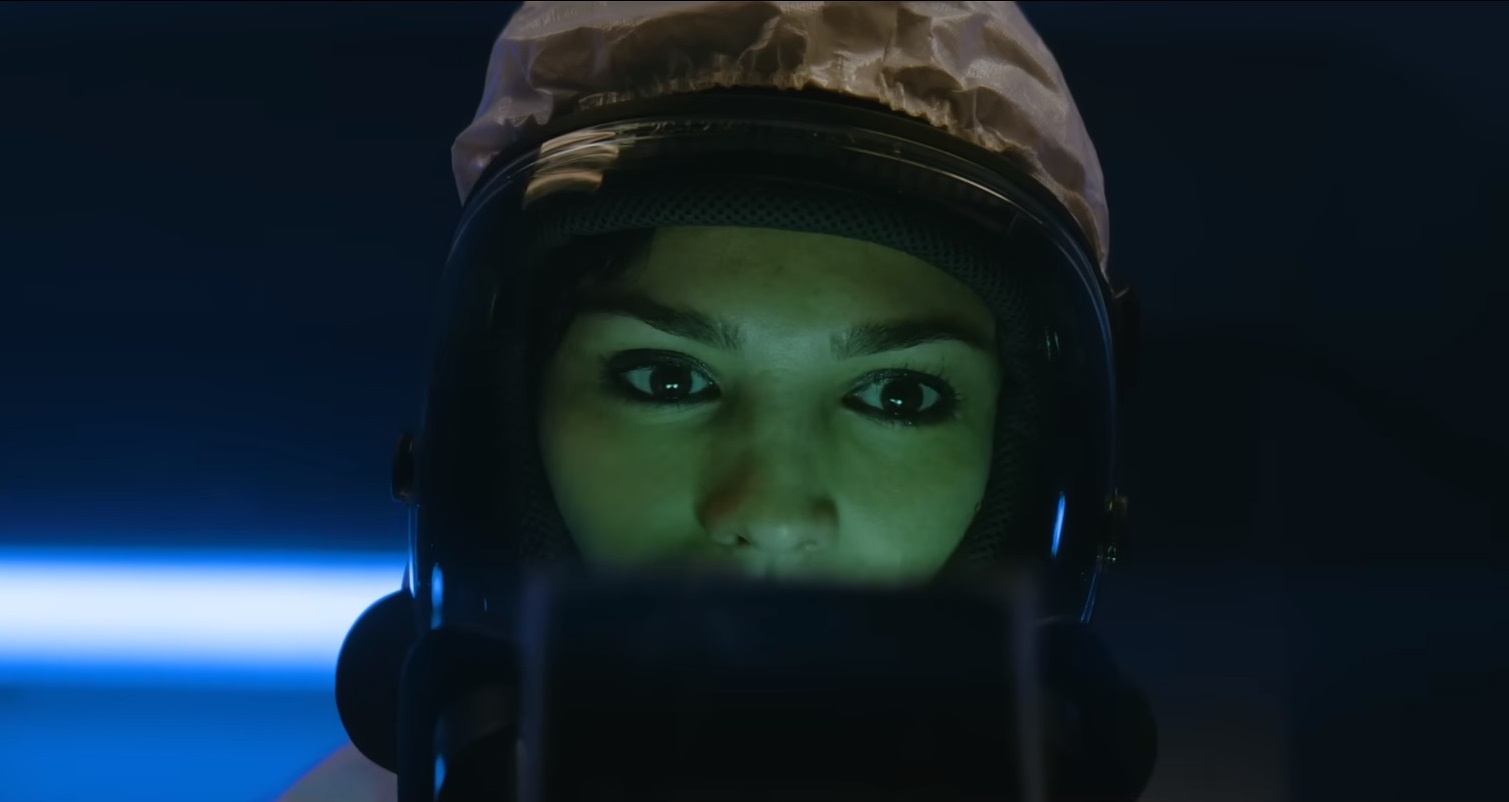
One of the movie’s points of originality has also been a point of criticism from some. Ash has a a jigsaw-puzzle storyline, told through sudden flashbacks of memory, different points of view, with timelines moving backwards and forwards, confusing at times. However, it you’re really paying attention, everything to support the narrative’s path is there to follow, even if it sometimes requires an occasional replay to verify. So what some call a confusing narrative could be more from the shortcomings of impatient, less attentive viewers, since evidence for comprehension is in the movie.
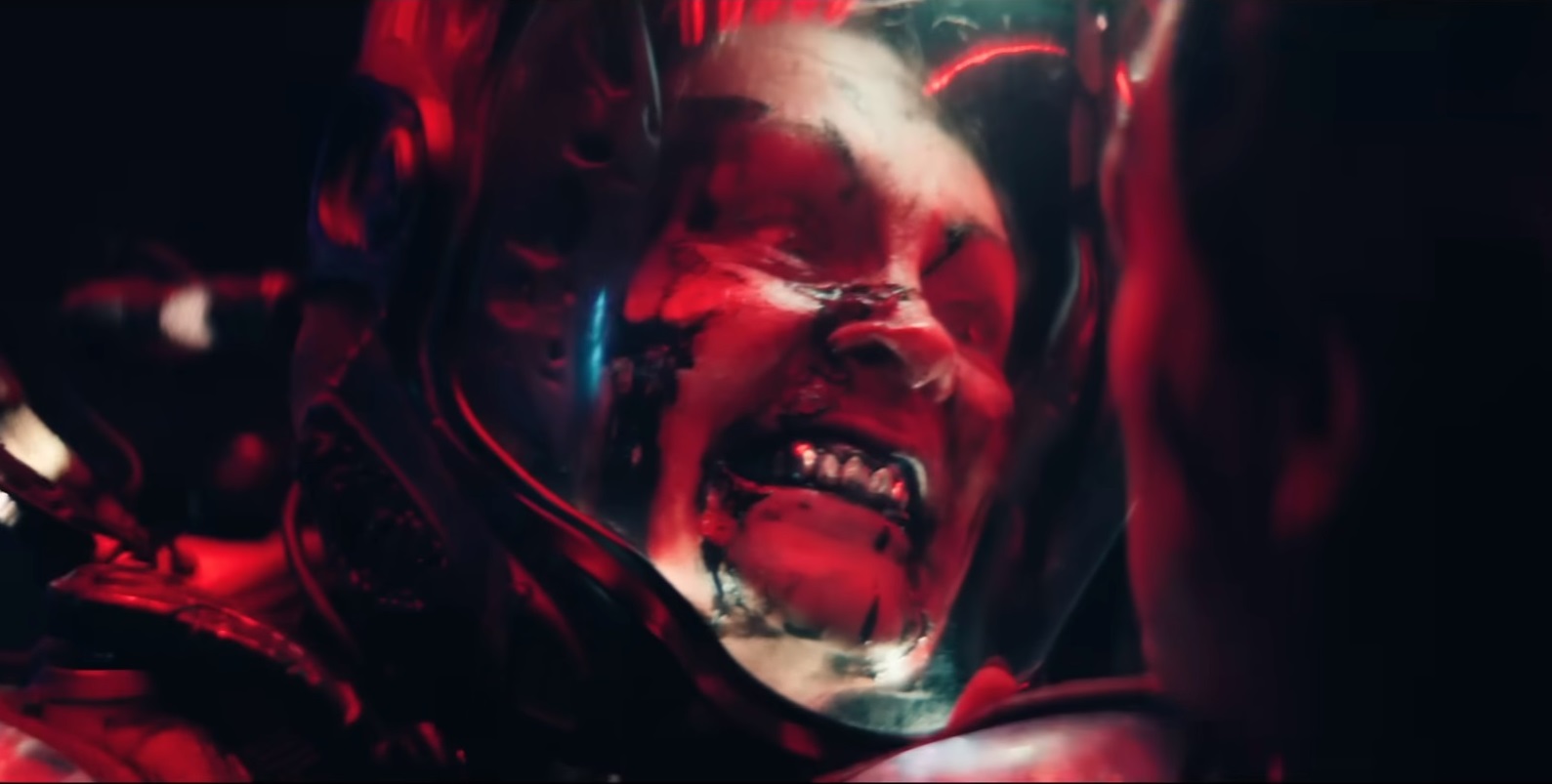
Speaking of points of view, Ash is mostly told from Riya’s point of view, showing us what she experiences, either in objectively looking at her and her environment, or directly through her eyes, with exactly what she sees, as if we are her. In her interview on the movie’s bluray, Eiza González talks about how she wore a camera on her body in some scenes, to get an a true first-person point of view, through Riya’s eyes. Consistent with the overall Riya perspective, the camera never shows scenes not involving what Riya sees or, at least experiences directly, whether objectively or subjectively, depending on her state of mind. If Riya sees something that isn’t really there, we see it too and believe it to be there as she does, until she realizes that it isn’t (or wasn’t) really there.
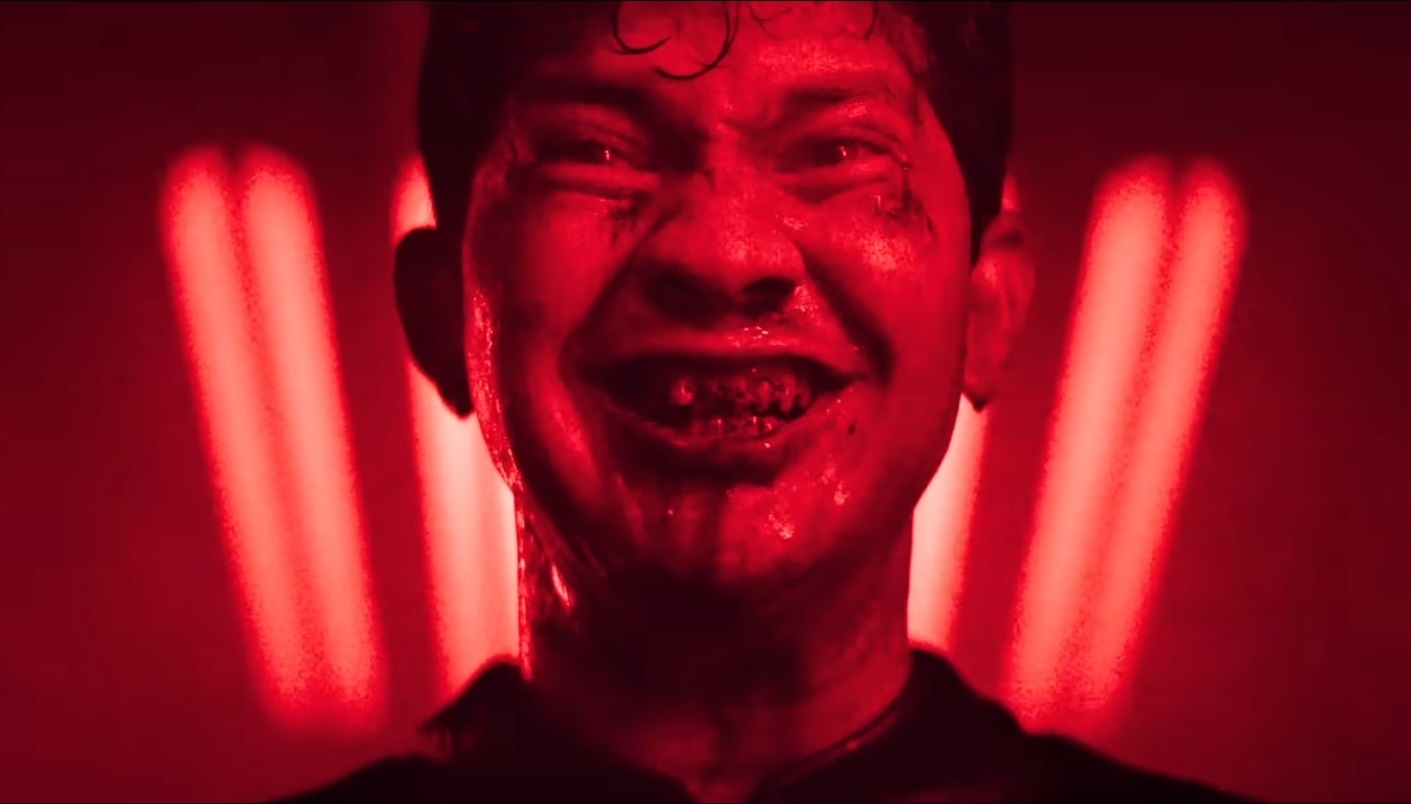
I have also heard Ash criticized for having what are described to be subpar digital effects. While a particular CGI-generated landing of a ship–a ship actually called “The Lander”–looks to be rendered with less than state of the art effects, it does not distract to a point of lowering the movie’s Rocket Rating on Space Jockey Reviews. Otherwise, digital effects look fine and realistic enough, especially in the lower lit environment of the research outpost. Visually-visceral practical effects are included as stand-alone elements, convincingly mixed with digital effects in other scenes.
To further compensate criticisms, I’ll add a final accolade for something most original not seen before in an ending–an ending after an ending, that is. We’ve all seen the endings after the credits, adding something that changes nothing. We’ve also seen plenty that suggest a sequel. However, before Ash, I had never seen a final, after-the-credits ending that totally changed the initial ending! Again, I won’t say more to avoid a spoiler. But, I will say this: “In Ash, it ain’t over ’til it’s [really] over!”
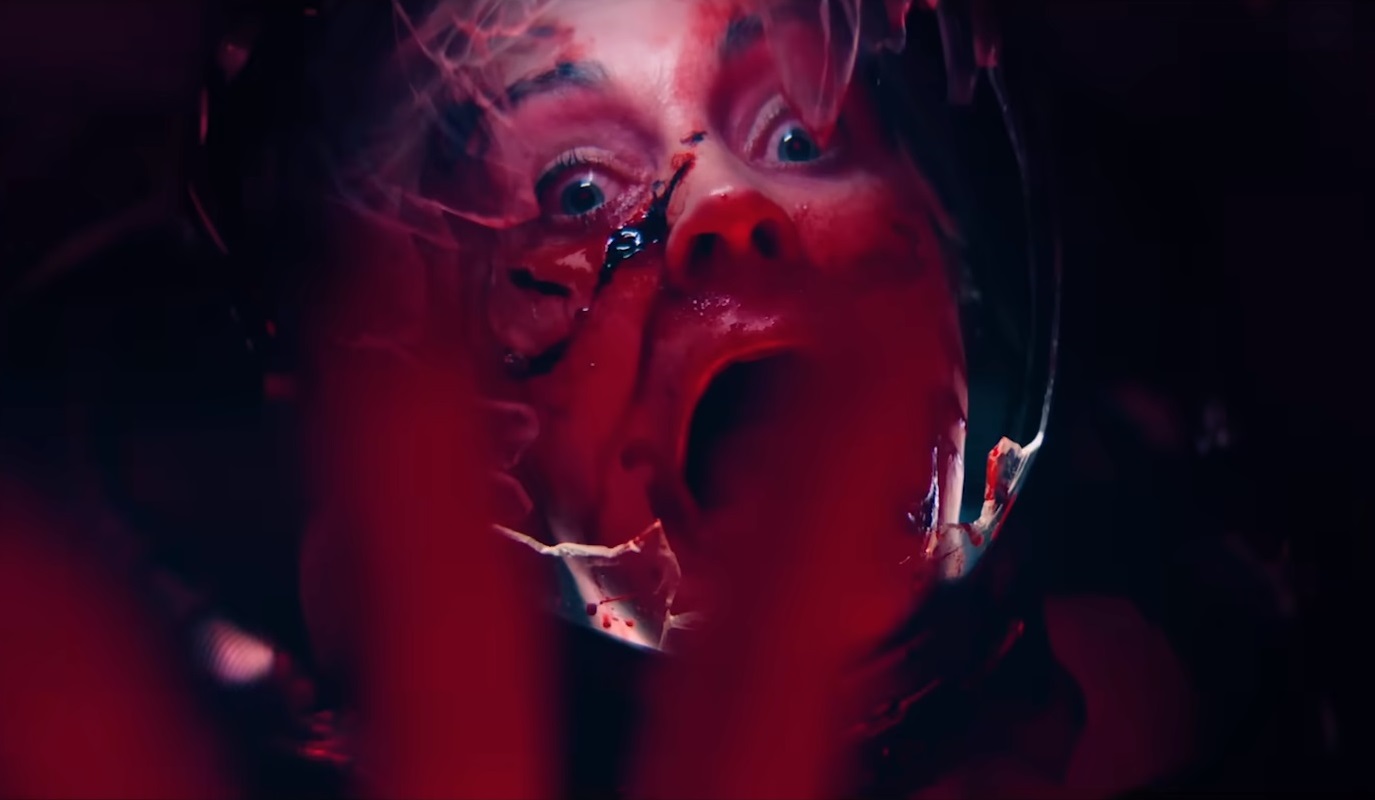
While Ash (according to box-office records) clearly isn’t for everyone, it’s a likely pleaser for devoted genre fans. With that, it’s a movie I can’t recommend in general. But, for lovers of intense sci-fi/horror, psycho-thriller mysteries, bathed in hallucinatory, neon-tinged aesthetics, with extraterrestrial surprises, fear, paranoia, blood, and gore galore, check it out at least once. If you’re like me, you’ll even watch it again…and again! In the meantime, check out the trailer and bonus screenshots below!
“Hey man, it’s cool. I get it. We’re all dealing with some pretty meteoric shit right now.” ~ Brion, to Riya


Rocket Rating – 7.5
Chris Rennirt is a movie critic and writer in Louisville, Kentucky, as well as editor in chief at Space Jockey Reviews. He has been a judge at many film festivals, including Macabre Faire Film Festival and Crimson Screen Film Fest, and he attends horror and sci-fi conventions often. Chris’ movie reviews, articles, and interviews appear in Effective Magazine and are published regularly on Space Jockey Reviews.